

Best Equipment to Avoid Fire Damages: Safety Equipment You Must Install

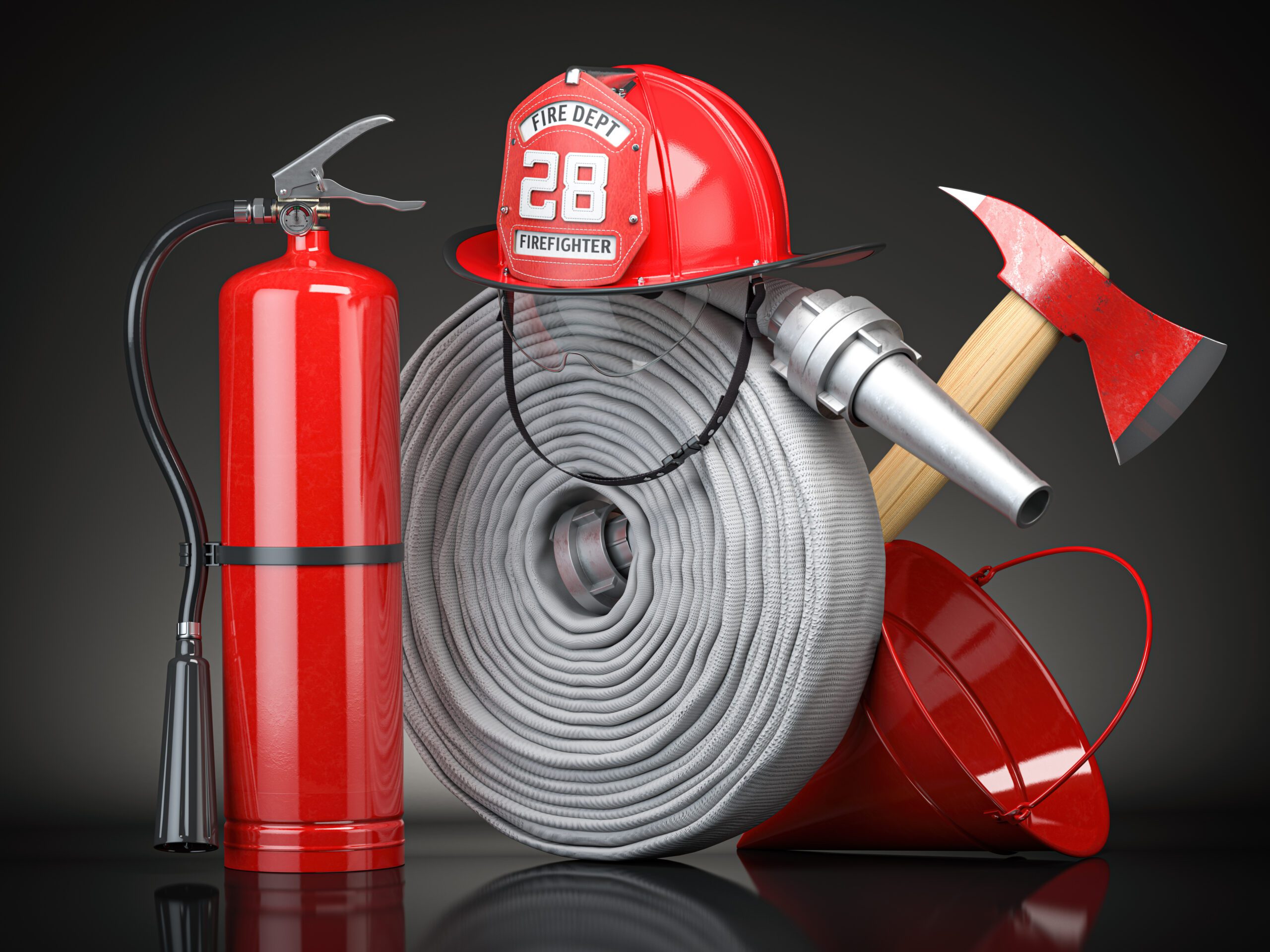
Install the best fire safety equipment to avoid fire damage. Learn about fire extinguishers, alarms, sprinklers & protection systems for homes and workplaces. Fire damage can be devastating, leading to loss of life, property, and business continuity. Installing the right fire safety equipment is one of the most effective ways to minimize fire risks and protect people and assets. Whether it’s a home, office, factory, or commercial building, proactive fire protection saves lives and reduces losses.
Below is a complete guide to the best fire safety equipment you must install to avoid fire damages.
1. Fire Extinguishers 🔥
Why Install:
To quickly put out small fires and stop them from spreading.
Benefits:
- Saves lives
- Reduces property damage
- Controls fires in early stages
Types:
Water, Foam, Dry Chemical, CO₂, Halon
Standards:
NFPA 10, EN 3, UL 711
Best For:
Homes, offices, factories, vehicles
2. Smoke Detectors 💨
Why Install:
Detects fire early and alerts occupants immediately.
Benefits:
- Early fire detection
- Reduces injuries and fatalities
- Minimizes property damage
Types:
Ionization, Photoelectric, Dual-Sensor
Standards:
NFPA 72, EN 14604, UL 217
Best For:
Homes, offices, public buildings
3. Fire Alarm Systems 🚨
Why Install:
Alerts occupants and emergency services during a fire.
Benefits:
- Faster evacuation
- Reduces response time
- Limits fire spread
Types:
Conventional, Addressable, Wireless
Standards:
NFPA 72, EN 54, BS 5839
Best For:
Commercial, industrial, public buildings
4. Fire Sprinkler Systems 💧
Why Install:
Automatically suppresses fires and prevents escalation.
Benefits:
- Controls fires instantly
- Protects property and lives
- Reduces insurance losses
Types:
Wet Pipe, Dry Pipe, Pre-Action
Standards:
NFPA 13, EN 12845, FM Global
Best For:
Factories, warehouses, large buildings
5. Fire-Resistant Doors 🚪
Why Install:
Prevents fire and smoke from spreading between areas.
Benefits:
- Enhances evacuation safety
- Reduces structural damage
- Protects escape routes
Types:
Steel, Wood, Glass
Standards:
NFPA 80, EN 16034, UL 10C
Best For:
Commercial and public buildings
6. Emergency Lighting 💡
Why Install:
Ensures visibility during power failure and fire emergencies.
Benefits:
- Guides safe evacuation
- Reduces panic
- Improves emergency response
Types:
Battery-Powered, LED, Fluorescent
Standards:
NFPA 101, EN 1838, BS 5266
Best For:
Offices, malls, hospitals
7. Fire Suppression Systems 🔥
Why Install:
Protects high-risk and sensitive areas from fire damage.
Benefits:
- Protects expensive equipment
- Minimizes downtime
- Reduces fire damage
Types:
Clean Agent, Foam, Dry Chemical
Standards:
NFPA 2001, EN 15004, FM Global
Best For:
Data centers, kitchens, industrial facilities
8. Electrical Fire Protection 🔌
Why Install:
Prevents fires caused by electrical faults.
Benefits:
- Reduces electrical fire risks
- Protects appliances and wiring
- Enhances overall safety
Types:
AFCIs, Surge Protectors
Standards:
NFPA 70, EN 61439, UL 1699
Best For:
Homes, offices, industrial setups
9. Fire Blankets 🧯
Why Install:
Smothers small fires and protects individuals.
Benefits:
- Easy to use
- Effective for kitchen fires
- Reduces injuries
Types:
Wool, Fiberglass, Ceramic
Standards:
NFPA 1971, EN 1869, BS 6575
Best For:
Kitchens, laboratories, workshops
10. Evacuation Equipment 🚨
Why Install:
Ensures safe and organized evacuation during emergencies.
Benefits:
- Reduces panic
- Saves lives
- Improves emergency response
Types:
Exit Signs, Evacuation Chairs, Ropes
Standards:
NFPA 101, EN 179, BS 5395
Best For:
Commercial and public buildings
Why Fire Safety Equipment Matters
- Reduces fire damage and losses
- Saves lives and prevents injuries
- Ensures compliance with safety regulations
- Provides peace of mind
Tips for Effective Fire Safety Installation
- Conduct routine inspections and maintenance
- Follow local fire safety regulations
- Choose equipment based on fire risk assessment
Common Fire Safety Mistakes to Avoid
- Poor installation or lack of maintenance
- Incorrect placement of equipment
- Ignoring safety standards
Frequently Asked Questions (FAQs)
❓ What is the most important fire safety equipment?
Fire extinguishers and smoke detectors are the most critical.
❓ How often should fire safety equipment be inspected?
Regular inspections are recommended as per manufacturer and legal guidelines.
❓ Can fire safety equipment be installed without professionals?
Professional installation is strongly recommended for compliance and reliability.
Conclusion
Fire safety is not optional—it’s a responsibility. Installing the right fire safety equipment significantly reduces fire risks, protects lives, and safeguards property. Don’t wait for an emergency—act now and make fire safety a priority. 🔥