

Top 10 Safety Equipment to Avoid Emergency Situations

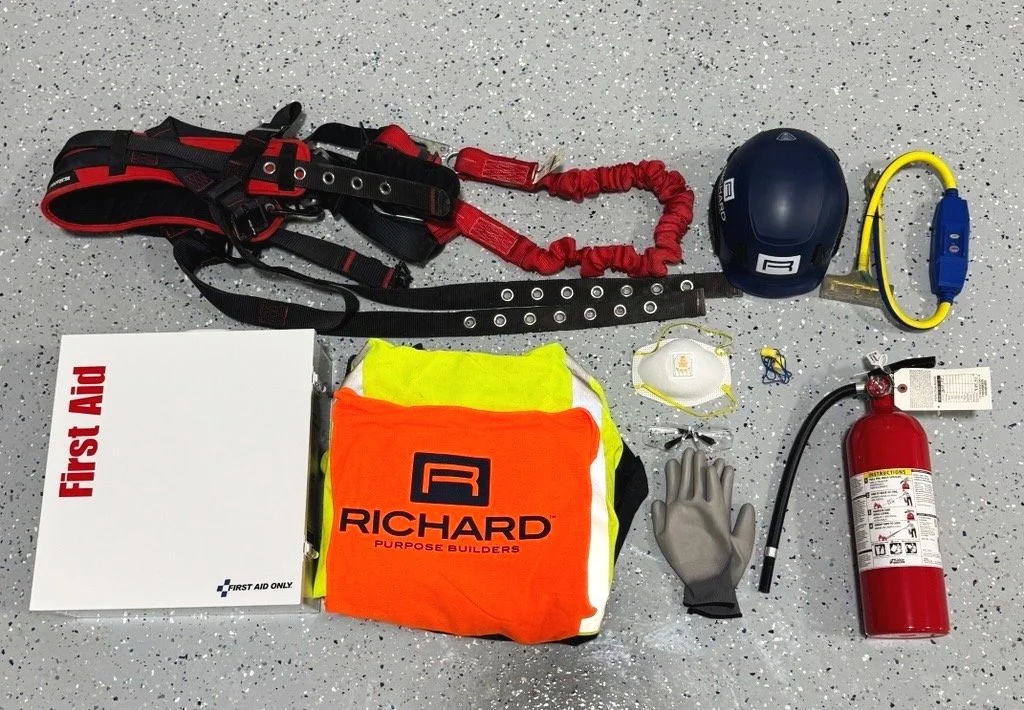
Discover the top 10 safety equipment essential to prevent emergency situations at home, workplace, and industrial sites. Stay protected and prepared. Workplace safety is paramount, and having the right safety equipment can make all the difference in preventing accidents and emergency situations. Whether you operate an office, factory, construction site, or industrial facility, investing in proper workplace safety gear helps protect employees, property, and operations.
Below are the top 10 essential safety equipment every workplace should have to reduce risks and ensure compliance with safety standards.
1. Fire Extinguishers 🔥
Why Use:
Fire extinguishers are critical for controlling fires before they spread.
Benefits:
- Protects employees and assets
- Minimizes property damage
- Reduces downtime and losses
Types:
Water, Foam, Dry Chemical, CO₂
Standards:
NFPA 10, EN 3
Best For:
Offices, kitchens, workshops, warehouses
2. First Aid Kits 🏥
Why Use:
Provides immediate treatment for injuries and medical emergencies.
Benefits:
- Reduces injury severity
- Promotes faster recovery
- Improves workplace preparedness
Essentials:
Bandages, antiseptics, pain relievers
Types:
Basic, Advanced, Trauma Kits
Standards:
ANSI/ISEA Z308.1, BS 8599
Best For:
Workplaces, schools, factories, homes
3. Safety Harnesses 🧗♂️
Why Use:
Prevents falls when working at heights.
Benefits:
- Saves lives
- Reduces fall-related injuries
Components:
Webbing, buckles, anchor points
Standards:
ANSI/ISEA Z359, EN 361
Best For:
Construction, roofing, scaffolding
4. Hard Hats 🛡️
Why Use:
Protects the head from falling or flying objects.
Benefits:
- Prevents serious head injuries
- Reduces workplace fatalities
Types:
Type I (Impact), Type II (Impact + Electrical)
Standards:
ANSI/ISEA Z89.1, EN 397
Best For:
Construction, mining, manufacturing
5. Safety Glasses 👓
Why Use:
Shields eyes from dust, chemicals, and debris.
Benefits:
- Protects eyesight
- Minimizes eye injuries
Features:
Impact-resistant lenses, anti-fog coating
Standards:
ANSI/ISEA Z87.1, EN 166
Best For:
Welding, woodworking, chemical handling
6. Earplugs & Earmuffs 👂
Why Use:
Protects against excessive noise exposure.
Benefits:
- Prevents hearing loss
- Reduces tinnitus and fatigue
Types:
Disposable, Reusable
Standards:
ANSI S3.19, EN 352
Best For:
Construction, manufacturing, events
7. Respirators 😷
Why Use:
Filters harmful airborne particles and gases.
Benefits:
- Protects lungs
- Reduces respiratory diseases
Types:
N95, Half-Face, Full-Face
Standards:
NIOSH, EN 149
Best For:
Healthcare, construction, chemical industries
8. Safety Gloves 🧤
Why Use:
Protects hands from cuts, burns, and chemicals.
Benefits:
- Reduces hand injuries
- Improves grip and control
Materials:
Latex, Nitrile, Leather
Standards:
EN 388, EN 407
Best For:
Manufacturing, construction, laboratories
9. Steel-Toed Safety Boots 👞
Why Use:
Protects feet from heavy impacts and sharp objects.
Benefits:
- Prevents crushing injuries
- Improves stability and grip
Features:
Slip-resistant soles, reinforced toe caps
Standards:
ASTM F2413, EN ISO 20345
Best For:
Warehousing, construction, factories
10. Emergency Eye Wash Stations 🚿
Why Use:
Provides immediate eye flushing after chemical exposure.
Benefits:
- Saves eyesight
- Reduces long-term eye damage
Types:
Plumbed, Portable
Standards:
ANSI/ISEA Z358.1, EN 15154
Best For:
Labs, chemical plants, manufacturing units
Frequently Asked Questions (FAQs)
❓ What is the most important safety equipment?
Fire extinguishers and first aid kits are the most essential as they handle common emergencies.
❓ How often should safety equipment be inspected?
Safety equipment should be inspected regularly according to manufacturer and regulatory guidelines.
❓ Can safety equipment be used across different industries?
No. Always use industry-specific safety equipment designed for your workplace hazards.
Conclusion
Don’t wait for an accident to occur. Equipping your workplace with the right safety equipment is a proactive step toward preventing emergencies, protecting employees, and ensuring compliance with safety regulations. A safer workplace is a more productive workplace.